Each week in Malaysia, the news tells us about food poisoning. It happens in schools, at events and in restaurants. Sometimes it is just a mild stomachache, but other times it is serious enough to send people to the hospital.
Most of these cases could have been prevented.
The truth is, many food safety problems do not happen because people lack knowledge—they happen because people do not put what they know into practice.
In this article, you will read about the top 5 dangerous things that often happen in eateries and school canteens. You will also see how we can fix these problems. The ideas apply not only to canteens, but also to small eateries, catering kitchens and even home-based sellers.
💡 If you want to read about the things that really cause food poisoning, such as bacteria and toxins, you can go to our blog – Oops! 50 Years of Food Poisoning Mistakes We’re Still Making.
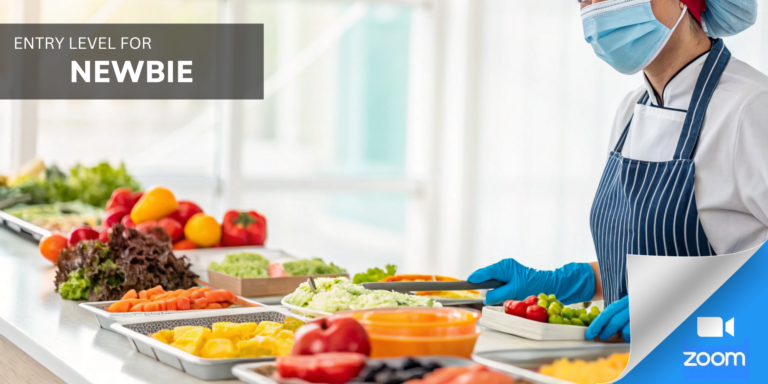
Washing your hands in the right way is the easiest habit that can help stop food poisoning before it happens. The sad thing is, many people forget this step, especially in busy kitchens and school canteens.
Every one of these can move germs like E. coli, Salmonella or Staphylococcus aureus right into the food that you are about to serve.
💡 Tip: Gloves are not magic. You need to wear them on clean hands and change them often to keep safe!
Cross-contamination happens when harmful bacteria move from raw food to food that is cooked or ready to be eaten. Foodborne illness in Malaysia often comes from this problem.
Think about this: A canteen worker cuts raw chicken, wipes the cutting board with a wet cloth, then chops vegetables for salad, all on the same surface. That cloth just became a taxi for bacteria.
Many kitchens, factories and central kitchens use colour-coded systems. These systems help with hygiene control.
Even small canteens can use an easy way to do this. For example, they can mark knives or boards with coloured tape.
Colour | Used For |
Red | Raw meat |
Blue | Raw seafood |
Green | Fruits & vegetables |
Yellow | Cooked or ready-to-eat food |
White | Bakery or dairy |
Brown | Poultry |
Every kitchen, big or small, needs a food hygiene layout — a physical flow from raw to cooked to serving.
💡 Cross-contamination does not always need to look dirty. A small, invisible bacteria can grow fast and turn into millions.
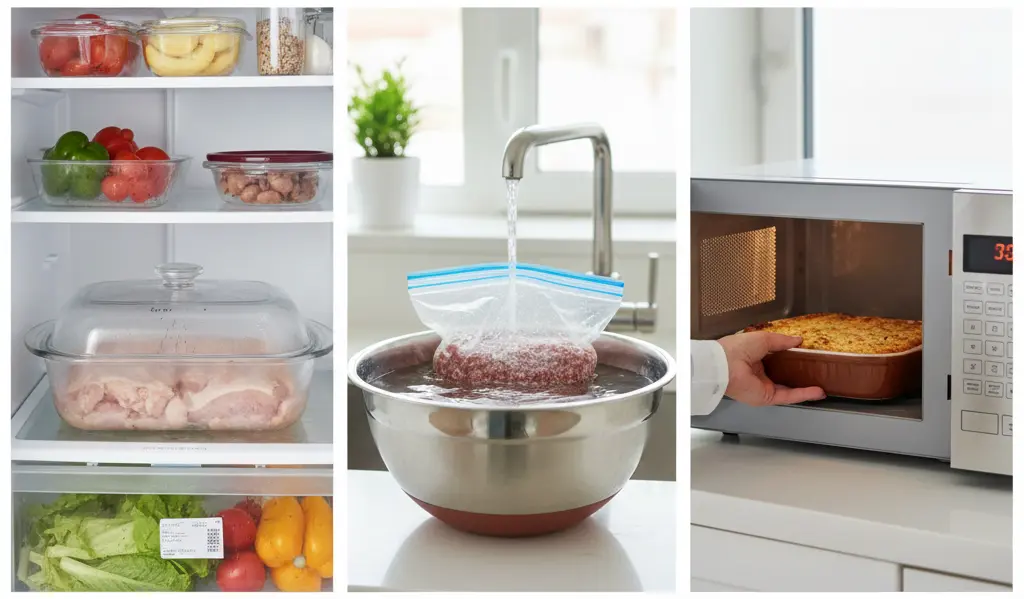
Food safety is not just about being clean. It is also about keeping food at the right temperature. Bacteria grow easily in warmth, and when food stays too long between 5°C and 60°C, which is called the danger zone, they can multiply quickly and make the food unsafe to eat.
Storage Type | Temperature (°C) | Safe Practice |
Frozen | Below -18°C | Keeps bacteria inactive (not killed). Store meat, seafood, ice cream here. Don’t refreeze once thawed. |
Chilled | 0–5°C | Slows bacteria growth. Store cooked food, dairy, leftovers, or ready-to-eat meals. |
Room Temp (Danger Zone) | 5–60°C | Avoid keeping food here for >4 hours. |
Hot Holding | Above 60°C | Use warmers or steam tables for food waiting to be served. |
💡 Example: Fried rice that stays out at room temperature can lead to food poisoning from Bacillus cereus. This is a common issue in Malaysian schools and catering events.
Cooking is not only about taste. It is also to kill bacteria that are deep in the food. Food poisoning often happens when food looks brown on the outside, but it is not cooked enough inside.
Food Type | Minimum Core Temperature (°C) | Main Bacteria Killed |
Poultry (chicken, duck) | 75°C | Salmonella, Campylobacter |
Ground meat / burger | 70°C | E. coli |
Fish & seafood | 63°C | Listeria, Vibrio |
Eggs (fully cooked) | 70°C | Salmonella |
Leftovers / reheated food | 75°C | General bacteria & spores |
💡 Tip: Always check the core or center of the food, not only the surface. Keep the food at the set temperature for 15 seconds. This will make sure even thick food is safe.
In big kitchens and food factories, the workers use thermometers all the time. A small eatery can get a digital food thermometer since it does not cost much and is a good choice for everyone.
💡 Example: Fried rice that stays out at room temperature can lead to food poisoning from Bacillus cereus. This is a common issue in Malaysian schools and catering events.
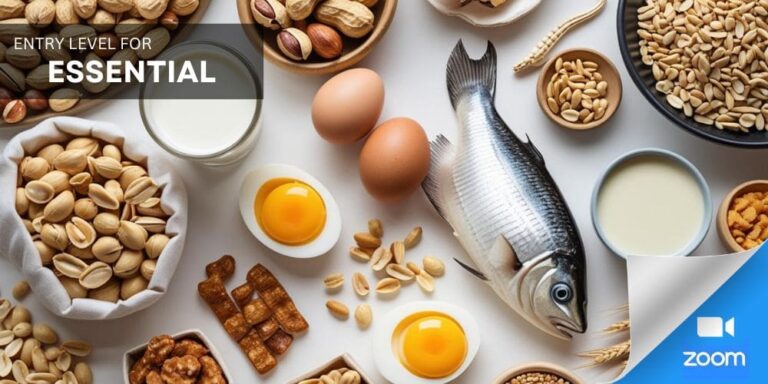
Allergies are getting to be more common now, especially in kids. Allergens do not need time to grow like bacteria. Even a tiny bit can cause a serious reaction in just a few minutes.
Area | Good Practice |
Storage | Store allergenic ingredients separately with clear labels (e.g., nuts, dairy, soy). |
Preparation | Use separate tools and equipment. Sanitize surfaces before switching tasks. |
Labelling | Always include allergen information on packaging or display boards. |
Process Flow | Prepare allergen-free food first, then allergen items later. |
Training & Communication | Staff must know the 8 major allergens and how to respond in an emergency. Customers should feel safe to ask questions. |
💡 Example: In many bakeries, people bake pastries with nuts on separate trays. This is a simple step, but it can save lives.
You can get to know more about Labelling Knowledge with our Food Labelling Workshop.
Supplier auditing for allergen management is essential for food safety and reducing the risk of food poisoning. By thoroughly evaluating suppliers, businesses ensure compliance with regulations and effective allergen controls. This involves reviewing ingredient sourcing, production practices and storage conditions. Regular audits identify potential cross-contamination risks and improve communication between suppliers and manufacturers.
A systematic auditing process reduces allergic reactions and foodborne illnesses, protecting consumers and brand reputation. Proactive supplier management builds trust in product safety and provides vital protection against food poisoning.
Malaysia’s Ministry of Health (MOH) has been working hard to make food safety better in the country. The work goes from setting rules for big companies all the way to home-based businesses.
This course is mandatory for everyone who works with food in Malaysia. It teaches you about keeping things clean, the way food should be stored, checking food temperature and how to clean up. All food handlers also need to get a typhoid vaccination.
Join our MOH Food Handler Course Now!
These are easy-to-follow programs made for businesses. These work for small ones and big manufacturers. They help you manage hazards and improve hygiene.
Program | Level / Target | Purpose |
MESTI | Small & medium enterprises (SMEs) | Basic hygiene system focusing on safe handling and traceability. |
GMP (Good Manufacturing Practice) | Medium industries | Standard for production hygiene and facility control. |
HACCP (Hazard Analysis & Critical Control Point) | Larger factories / exporters | Identifies and controls key food safety risks. |
ISO 22000 / FSSC 22000 | International manufacturers | Integrated food safety management recognized globally. |
MOH also gives out Home Food Preparation Guidelines. These are made to help small sellers:
💡 In short: Food safety is important for all of us. It does not matter if you prepare food in a factory for hundreds of people or just make 10 packs in your home. Food safety is everyone’s responsibility.
Unsafe Practice | Common Mistake | Simple Prevention |
Poor Hand Hygiene | Not washing after touching raw food or money | Wash hands for 20 sec with soap and clean water |
Cross-Contamination | Same knife/board for raw & cooked food | Use colour-coded tools and separated zones |
Improper Storage | Leaving food at room temp too long | Keep hot food >60°C and cold food <5°C |
Under-Cooking | Food browned outside but raw inside | Cook until core reaches 70–75°C for 15 sec |
Allergen Mismanagement | Mixing allergen & non-allergen foods | Separate storage, labelling, and tools |
No — gloves only protect food if your hands are already clean. Always wash hands before putting on new gloves.
No. Jewellery can trap bacteria and fall into food. MOH guidelines recommend removing them.
Only if kept below 5°C and sealed. Generally, eat cooked leftovers within 2–3 days and ensure only reheated 1 time.
Follow MOH’s Home Food Preparation Guidelines — keep pets out of the kitchen, store ingredients properly and label your products clearly.
You can report directly to the nearest Pejabat Kesihatan Daerah (PKD) or through the MOH Food Safety and Quality Division website.
Check for MESTI, HACCP or HALAL logos — these indicate the food is made under recognized safety systems.
Food safety is not only up to chefs or inspectors. It is something we all share. Businesses, schools, and people at home all have a part to play.
These five dangerous practices: hand cleanliness, cross-contamination, improper storage, under-cooking and allergen mismanagement are simple to control but often overlooked.
As food technologists, we share this knowledge because awareness saves lives. At Magcolm, we believe that every Malaysian, whether a student, home cook or business owner deserves to know how to keep food safe.
“When more people understand food safety, fewer people suffer from foodborne illness.”
Let’s team up to help make that real. A clean kitchen, a safe meal and simple good habits will go a long way.