
- About
- Courses
- Advisory
💡 Build the Basics
- FSMS
- Home-Based
- BeSS
- MeSTI
- Halal IHCS
💡 Export Ready
- Food GMP
- HACCP
- VHM
- Halal Assurance System (HAS)
💡 Go Global
- ISO 22000
- FSSC 22000
💡 Others
- NPRA GMP & GDP
- Blog
- Contact Us
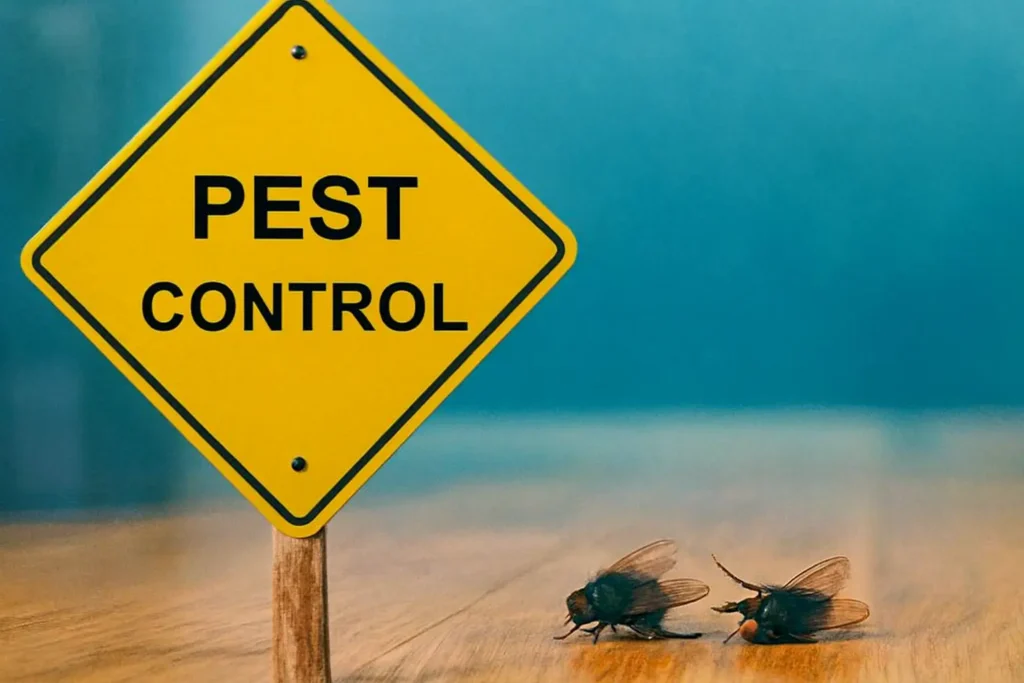
When you think of food safety, what comes to mind? Maybe gloves, hairnets, or sparkling clean kitchens, right? But what happens when a tiny creature, like a rat, slips in unnoticed?
Recently, one of Japan’s biggest food chains had to shut down over 2,000 outlets because of a rat. Yes, you heard that right—a single rodent caused chaos! This isn’t just a problem for Japan; it’s a wake-up call for all food businesses. Pests are more than just a nuisance—they’re a serious threat to food safety. And the scariest part? Just one rat can start a whole infestation.
In this blog, we’ll dive into some shocking outbreaks, the pests involved and what we can learn to keep our food premise safe
Pests can lead to some pretty nasty foodborne illnesses, as seen in several noteworthy examples below:
Source:
Malaysia
Overseas
Pests can carry harmful pathogens that contaminate food. Common pests associated with foodborne illnesses include:
Ignoring small cracks or skipping routine checks can lead to:
A single oversight can ruin years of reputation. However, that’s just part of it.
Negligence in pest control can lead to serious repercussions, including:
Under the Food Act 1983, it’s illegal to prepare or sell food that’s unfit for consumption or prepared in unhygienic conditions. Rat contamination can easily violate these regulations. Offenders can face:
Health inspectors from local councils and the Ministry of Health (MOH) have the authority to:
For businesses operating under Halal certification, rat contamination can result in suspension or withdrawal of the certification. Losing Halal status can restrict access to a large segment of Malaysian consumers.
Neglecting pest control can spiral into significant operational costs, including:
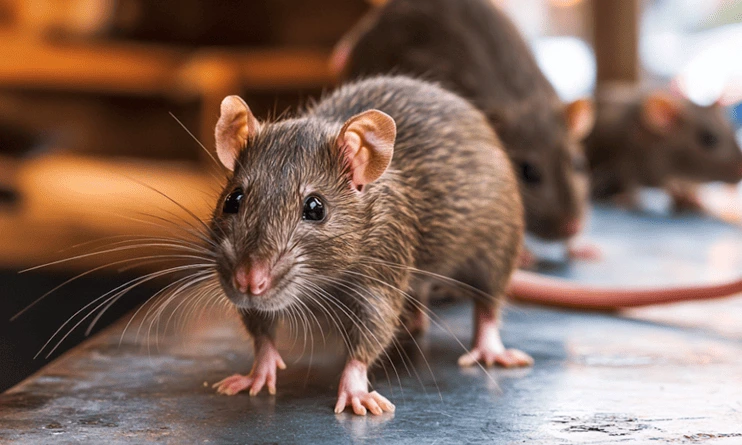
Understanding the life cycle of rats is crucial for effective pest management.
The short life cycle means infestations can begin silently within your store, food preparation area, or warehouse, especially if hygiene practices and pest control are neglected. Once a rat leaves droppings near food preparation areas, the risk of contamination becomes real.
To mitigate the risk of pest-related food poisoning outbreaks, consider the following best practices:
If the answer is “I’m not sure,” it’s time to ACT.
⭐ Magcolm Solutions Has Your Back! From food safety training to pest control advisory, we help food businesses stay protected before things go wrong.
Don‘t wait for a viral scandal to learn the hard way. Let’s build a food safety culture, together.
Food poisoning happens when you eat food that has bacteria, viruses, or toxins in it.
Businesses should ensure staff are trained in food safety, conduct regular pest inspections, maintain cleanliness
Effective prevention strategies include regular inspections, employee training to identify pest signs, strict waste management, sealing entry points, and using professional pest control services.
Negligence can result in fines up to RM100,000, license suspension, and risks to Halal certification, which may restrict access to a significant consumer base.
Yes, children, pregnant women, and old people can be at higher risk.
Food poisoning outbreaks linked to pest contamination highlight the critical importance of effective pest management in food safety. By learning from past incidents and implementing preventive measures, food establishments can protect their customers and maintain high hygiene standards. Together, we can create safer food environments for everyone!

Alicia holds a Bachelor (Honor) Degree in Food Technology from The University of Science, Malaysia. Upon graduation from food technology, she has gained hands-on knowledge and experiences in managing quality assurance operation and application of…
Explore more







© Copyright 2019 – 2025 by Magcolm Solutions Sdn Bhd (Reg. No. 201301042053)
© Copyright 2019 – 2025 by Magcolm Solutions Sdn Bhd (Reg. No. 201301042053)
 Google