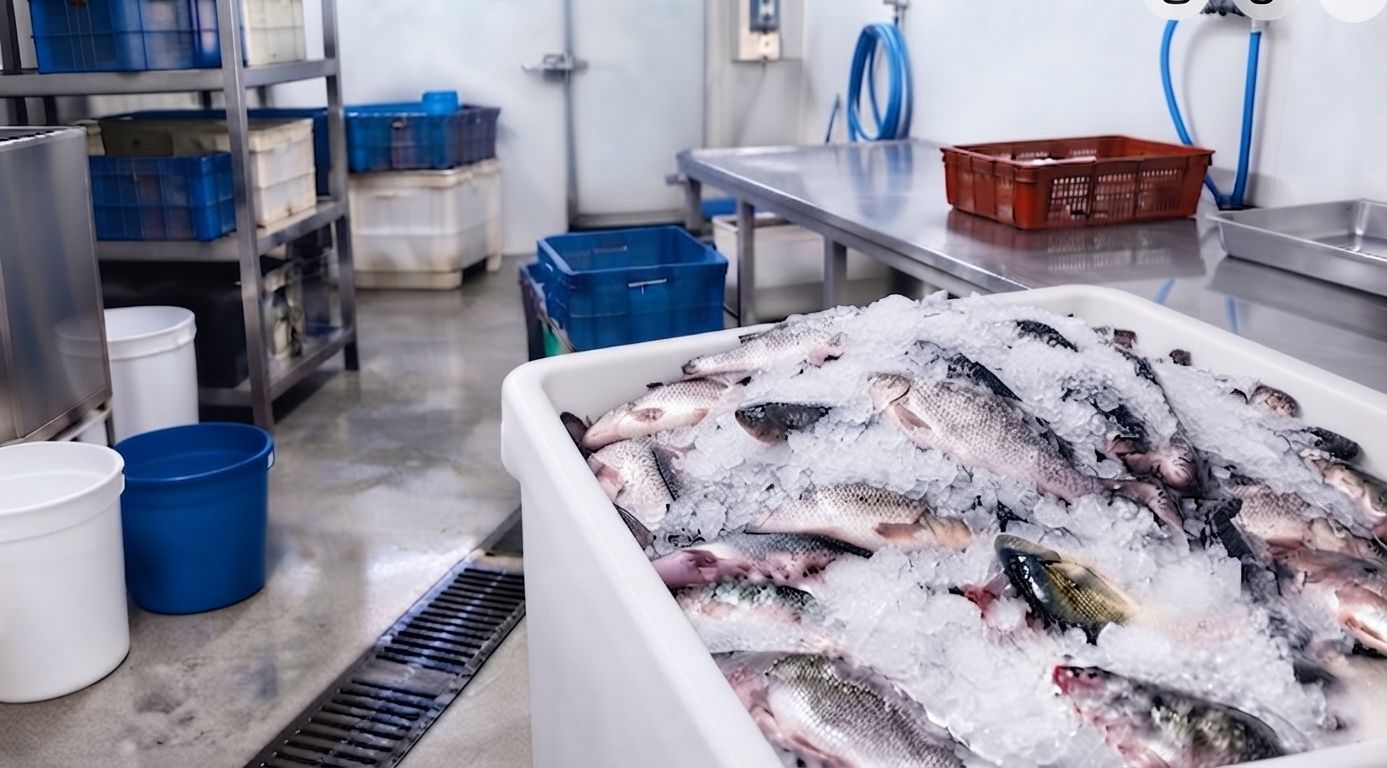
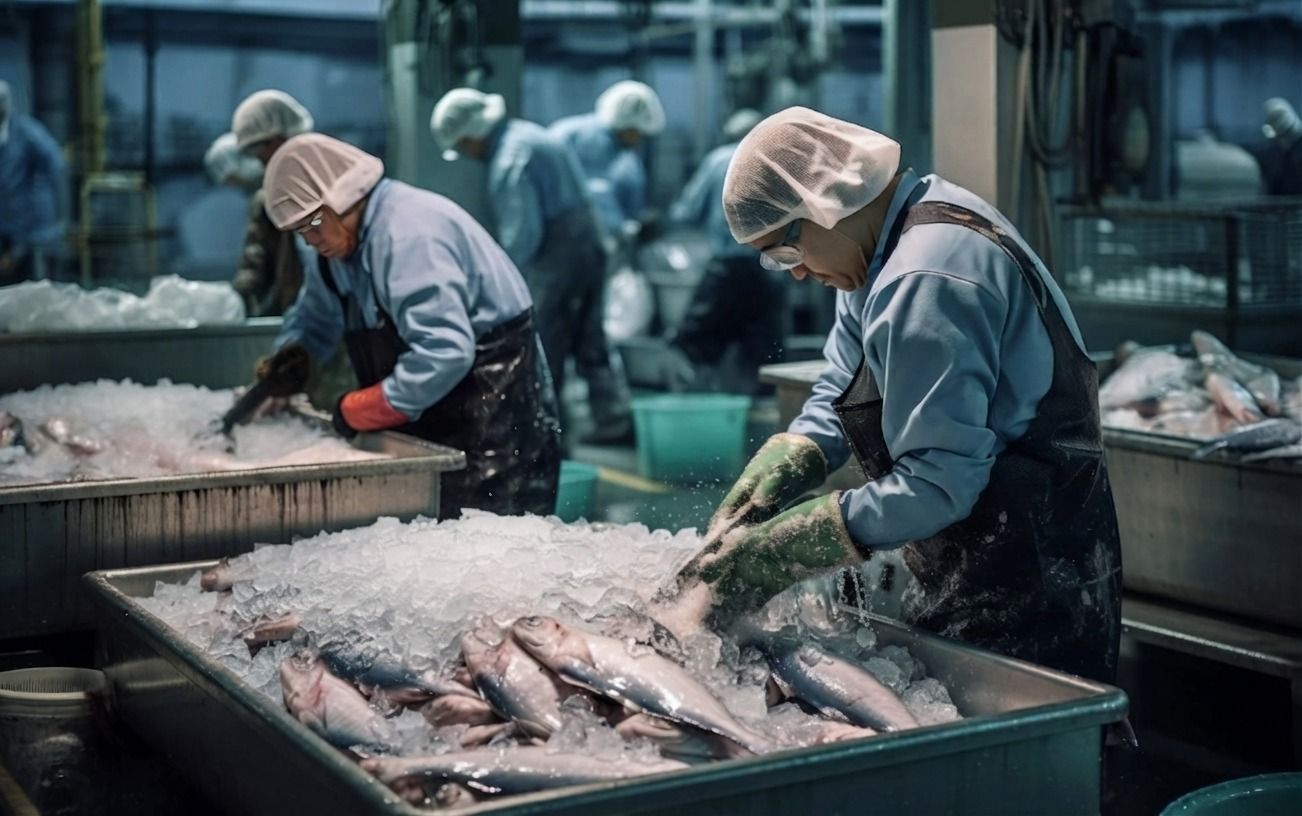
Seafood MOH HACCP Advisory is a specialized consulting service designed to help fish processors, cold storage operators, aquaculture packers and seafood exporters achieve Ministry of Health (MOH / KKM) Hazard Analysis Critical Control Point (HACCP) certification.
Seafood is one of the highest-risk food categories due to rapid spoilage, histamine buildup, heavy metal accumulation and bacterial growth. Whether you supply local supermarkets or export seafood products internationally, an official MOH HACCP certificate is your mandatory entry ticket. We help you identify hazards, set up cold chain controls and build an audit-proof system that satisfies KKM inspectors.
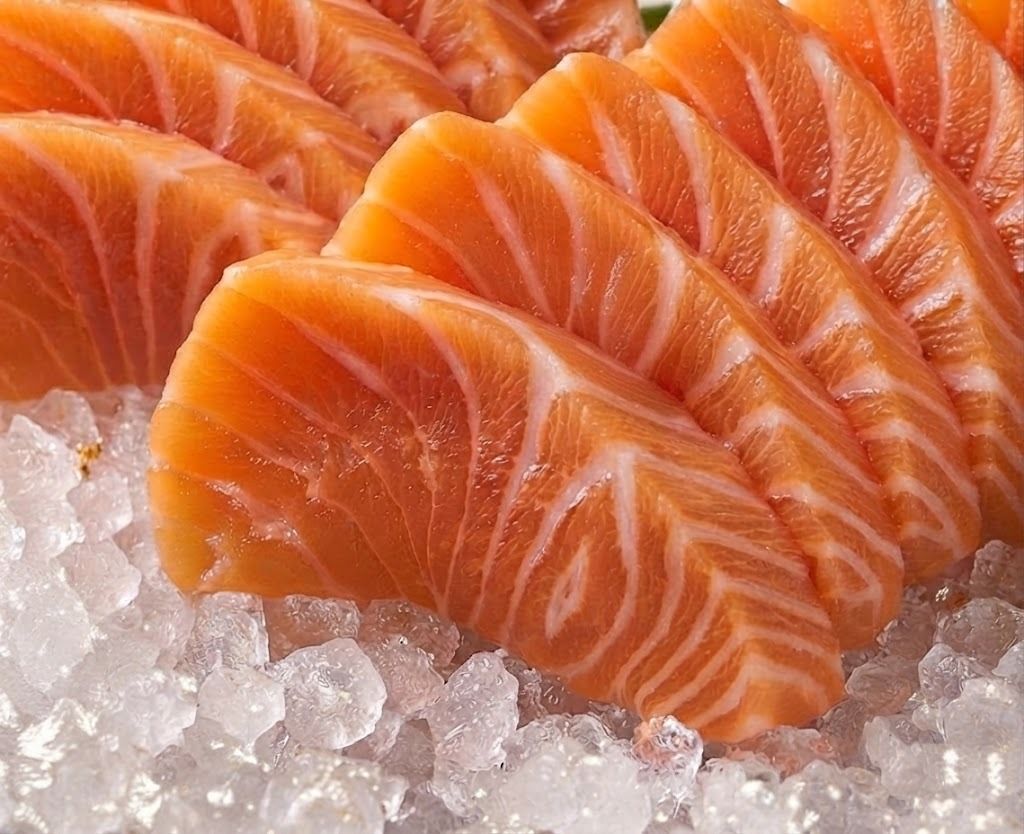
Chilled Fish
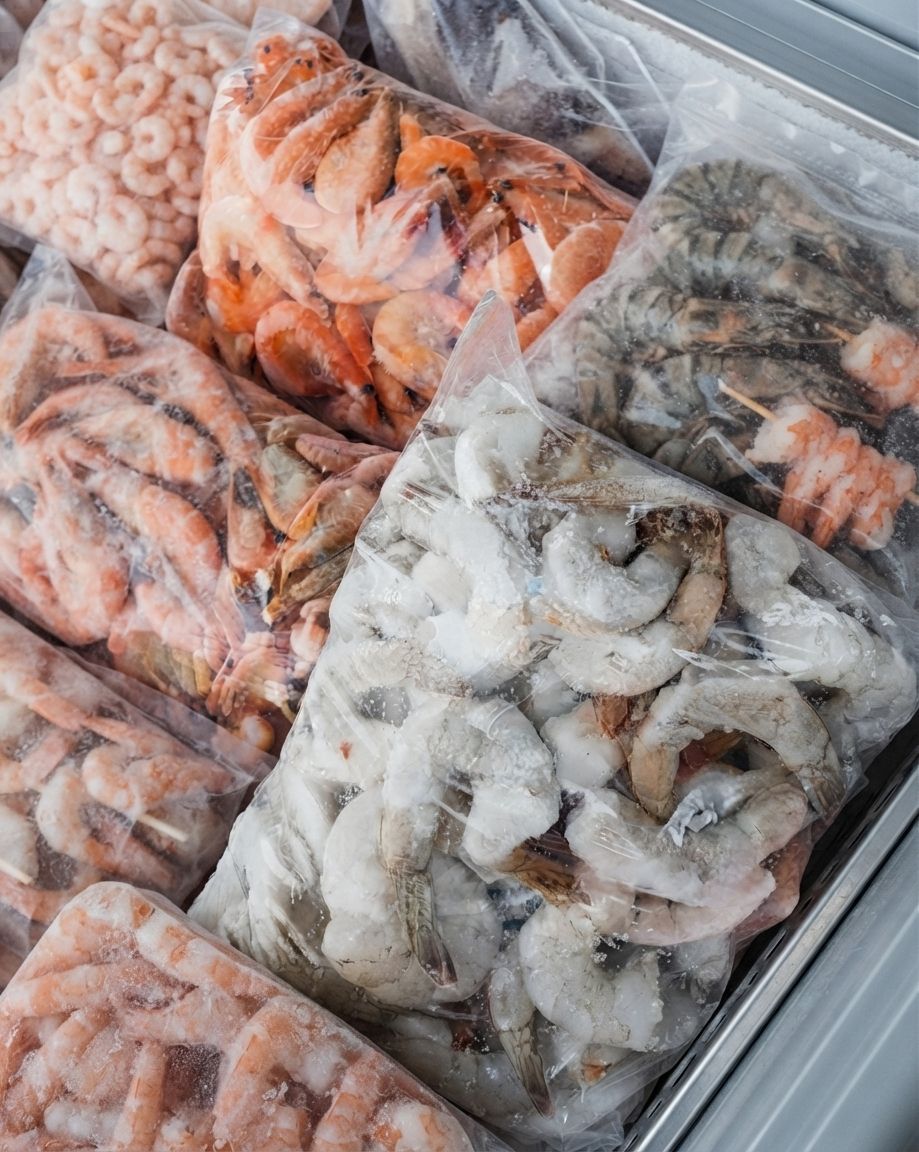
Frozen Seafood
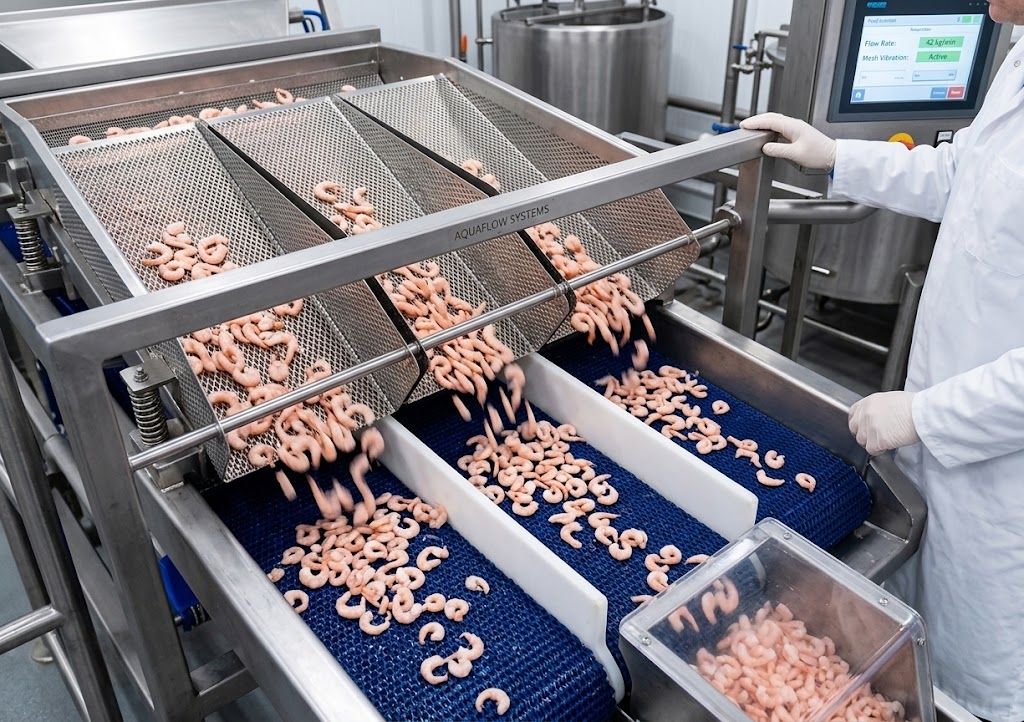
IQF Product
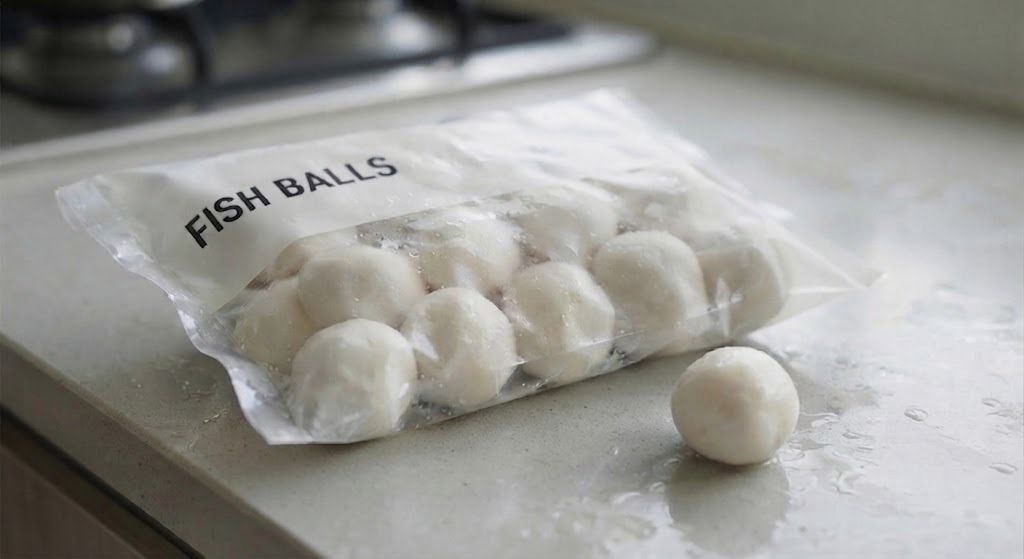
Quick Frozen Seafood
Plant Layout Design & Zoning
Designing linear, unidirectional processing flows and physical segregation between raw receiving, gutting, high-care packaging and frozen storage to prevent cross-contamination.
Cold Chain & Temperature Monitoring
Establishing Critical Control Points (CCPs) for receiving, processing, freezing, glazing and storage to prevent bacterial growth and tissue breakdown.
Hazard, Toxin & Chemical Control (Histamine, Heavy Metals & Residues)
Implementing unified testing and control protocols for histamine, heavy metals (mercury, lead, cadmium) and chemical residues to meet both national MOH standards and strict importing country requirements (e.g., EU, USA, Japan).
Edible Ice & Drinking Water Sanitation Standards
Ensuring all edible ice and drinking water coming into direct contact with seafood meets strict potability and MOH Licensing standards to eliminate cross-contamination during washing and processing
The “Melted Ice” Trap
Mistake: Using unverified water to make slush ice or reusing melting ice across multiple batches of raw fish.
Risk: Cross-contamination with Vibrio cholerae or Salmonella. Entire shipments get recalled or rejected by auditors.
The “Temperature Break” Disaster
Mistake: Leaving raw fish crates on ambient-temperature loading docks during sorting or processing.
Risk: Rapid histamine formation. Histamine cannot be destroyed by cooking or freezing, leading to food poisoning outbreaks and immediate certification revocation.
Inadequate Operational & Glazing Control
Mistake: Lacking strict monitoring of glaze percentage, national labelling specs, net weight verification or mandatory inspection parameters required by MOH and Codex Alimentarius.
Risk: MOH certification rejection during official KKM audits due to deceptive glazing practices, non-compliant product labeling or failure to meet mandatory regulatory inspection parameters.
You are building or renovating a seafood processing plant or cold storage facility and need to ensure drainage, processing tables and chillers meet HACCP layout design specs.
You need custom SOPs, hazard analysis worksheets, CCP monitoring logs and staff training tailored specifically to seafood processing.
You have an upcoming MOH HACCP audit or export inspection and need a thorough mock audit to catch hidden non-conformances before KKM inspectors arrive.
Provide total solutions to synergize your system, products, processes and branding in one roof
Food industry experts with over 15+ years of hands-on experiences
Proven and Trusted. Grown with us, turning challenges into success stories
We bring energy, expertise and heart to every project, so your team leave confident and capable
Ready to Level Up? Grab Your Free Perks Today! 🚀
Take charge of your growth with zero risk and maximum value!
💡 Shape the future of food safety, one click away
🎓 Learn for FREE with instant access online courses
🎟️ Unlock exclusive discount vouchers (first come first serve!)
and many more ✨
The "HACCP Gap Assessment"
(Diagnostic)
The "Full Seafood HACCP Advisory"
(Development to Cert)
The "Turnkey Export Ready Program"
(End-to-End)
Generic templates will fail a seafood audit every single time. Seafood hazards are unique: parasites, histamine formation, marine biotoxins and heavy metal accumulation require product-specific hazard analyses that generic templates simply do not cover.
We are MIFT registered consultants and Food Technologist by profession, endorsed by the Malaysian Institute of Food Technology (MIFT).
A single food safety violation, non-compliant glaze ratio or high histamine reading can destroy your brand reputation, cause costly product destruction at foreign ports and result in permanent blacklisting by regulatory authorities.
Find the right answers. Turn challenges into opportunities, together!